








How to Use PTFE Gas Thread Seal Tape Correctly (Step-by-Step Guide)
How to Use PTFE Gas Thread Seal Tape Correctly (Step-by-Step Guide)
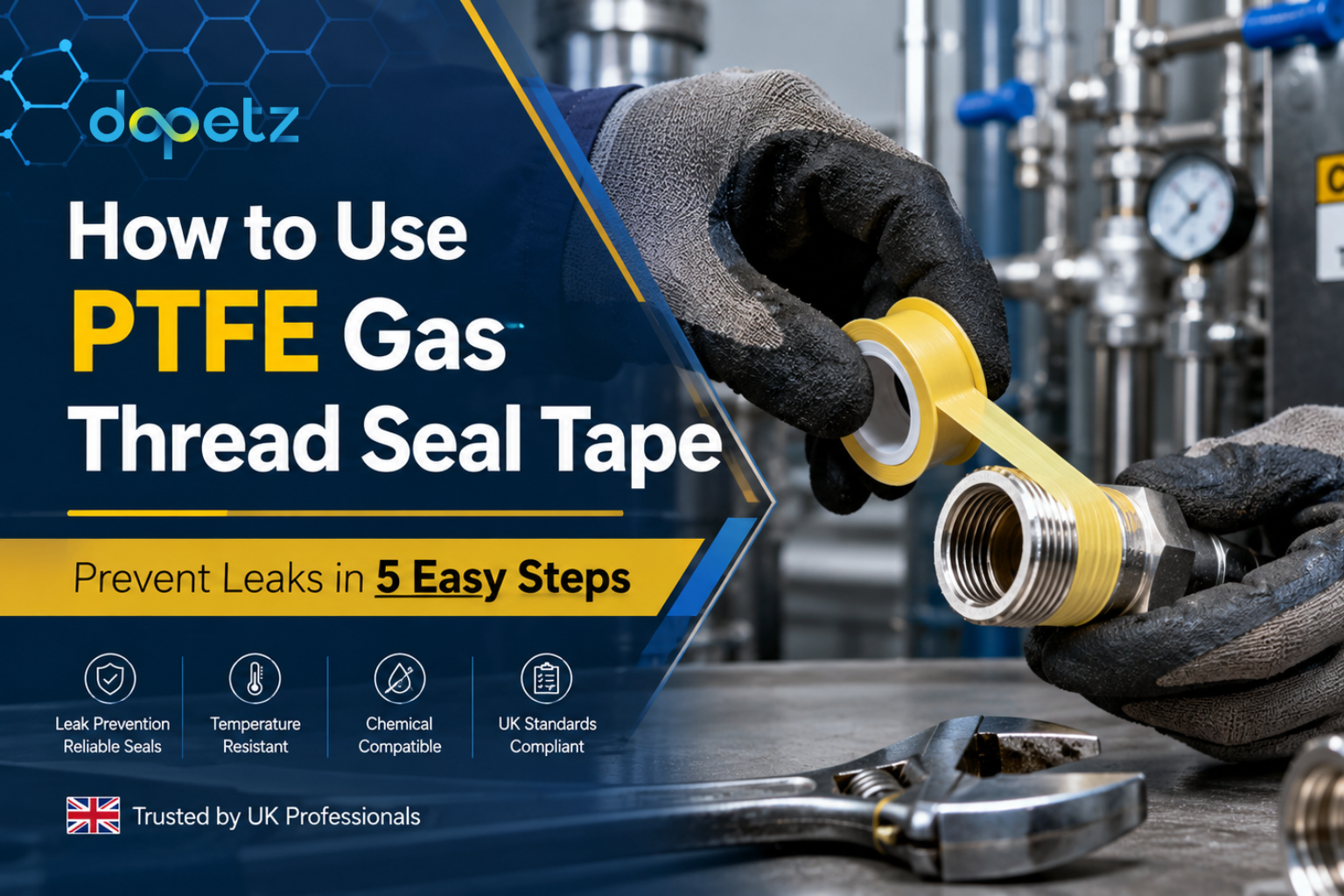
Leaking threaded pipe joints can lead to gas leaks, costly repairs, and safety concerns. Whether you're a professional plumber or a DIY enthusiast, using PTFE Gas Thread Seal Tape correctly helps create a reliable and long-lasting seal.
In this guide, we'll explain the proper way to apply yellow PTFE tape for LPG and natural gas threaded fittings while avoiding common mistakes that cause leaks.
Watch the Video Tutorial
Watch on YouTube: https://www.youtube.com/shorts/0NBZ9CfJGnY
What is PTFE Gas Thread Seal Tape?
PTFE (Polytetrafluoroethylene) Thread Seal Tape is specially designed to seal threaded pipe connections by filling tiny gaps between metal threads. Yellow PTFE tape is commonly used for LPG and natural gas installations where a secure threaded seal is required.
- Helps prevent gas leaks
- Easy to apply
- Chemical resistant
- Corrosion resistant
- Long-lasting sealing performance
Step 1: Clean the Pipe Threads
Before applying PTFE tape, clean the male pipe threads thoroughly. Remove dirt, grease, rust, moisture, and any old sealing tape.
Clean threads allow the tape to sit evenly and create a better seal.
Step 2: Wrap the Tape Clockwise
Always wrap the PTFE tape in the same direction that the fitting will tighten—normally clockwise when looking at the end of the pipe.
This prevents the tape from unraveling during assembly.
Step 3: Apply 3–5 Layers
Wrap the tape neatly around the threads, overlapping each turn slightly. For most applications, applying 3 to 5 layers provides an effective seal.
Avoid excessive wrapping as it may make tightening difficult.
Step 4: Avoid Overstretching the Tape
Pull the tape gently while wrapping. Stretching too tightly can make the tape thinner or tear it, reducing sealing performance.
Apply even tension throughout the wrapping process.
Step 5: Tighten the Joint Securely
Assemble the threaded fitting and tighten using the appropriate tool.
Ensure the connection is secure but avoid overtightening, which may damage threads or fittings.
Common Mistakes When Using PTFE Tape
- Wrapping anticlockwise
- Using too few layers
- Using too many layers
- Applying tape on dirty threads
- Overstretching the tape
- Overtightening the fitting
Benefits of Using Dapetz PTFE Gas Thread Seal Tape
- Designed for LPG and Natural Gas threaded fittings
- Professional quality yellow PTFE tape
- Reliable leak prevention
- Easy to install
- Suitable for plumbing and gas applications
- Trusted by UK tradespeople
Frequently Asked Questions
How many wraps of PTFE tape should I use?
Generally, 3 to 5 layers provide a secure seal for most threaded gas pipe fittings.
Which direction should PTFE tape be wrapped?
Always wrap clockwise so the tape remains in place when tightening the fitting.
Can PTFE tape stop pipe leaks?
When correctly applied on compatible threaded joints, PTFE tape helps create a reliable seal that reduces the risk of leaks.
Can beginners use PTFE tape?
Yes. It is easy to apply when following the correct wrapping direction and recommended number of layers.
Final Thoughts
Correctly applying PTFE Gas Thread Seal Tape takes less than a minute but can prevent future leaks and expensive repairs. Always clean the threads, wrap clockwise, use 3–5 layers, avoid overstretching, and tighten the joint securely.
If you're looking for dependable plumbing supplies and professional-quality PTFE tape, choose Dapetz for trusted products and fast UK delivery.
Keywords: PTFE Gas Thread Seal Tape, Yellow PTFE Tape UK, Gas Thread Seal Tape, LPG PTFE Tape, Natural Gas Thread Tape, Plumbing Thread Seal Tape, Pipe Leak Repair Tape, How to Use PTFE Tape, Gas Pipe Seal Tape UK.