

I Need to Switch Between Two Water Hose Sizes, What Adaptor Fits?
Honestly it is incredibly frustrating when you’re about halfway through a job and then you realise the water hose fittings don’t quite match up. Like you’ve already started, the hose is in place, you’re feeling confident then suddenly everything’s off. Whether you’re setting up a specialized pressure washer, connecting a caravan water line, or setting up a custom garden irrigation feed , running into mismatched thread sizes is this common headache that never really goes away.
Most Standard UK garden hoses usually run on predictable click-on fittings, but specialized equipment will often use industrial BSP (British Standard Pipe) or European metric sizes. Trying to force two different setups together just ends up stripping plastic threads, creating low water pressure and then, a face full of spray which is, frankly not the plan.
Finding the Right Bridge for Your Setup
The trick is matching the precise pitch and diameter of your two different lines. Instead of completely replacing your high-quality hose or tap setup, a dedicated threaded transition piece can bridge the gap instantly.
When working with specific high-pressure setups or specialized water lines, you will need something robust enough to handle the water force without spraying from the sides.
Check the sizes: Always identify the male ( outer thread ) and female ( inner thread ) connections first, before buying.
Opt for metal over plastic: Plastic components can crack pretty quickly under high water pressure or when temperature changes, but metal threads still stay true.
Look for smooth threads: Cleanly machined threads mean you can tighten the joint by hand without needing huge spanners or that extra effort.
The Ideal Hardware for the Job
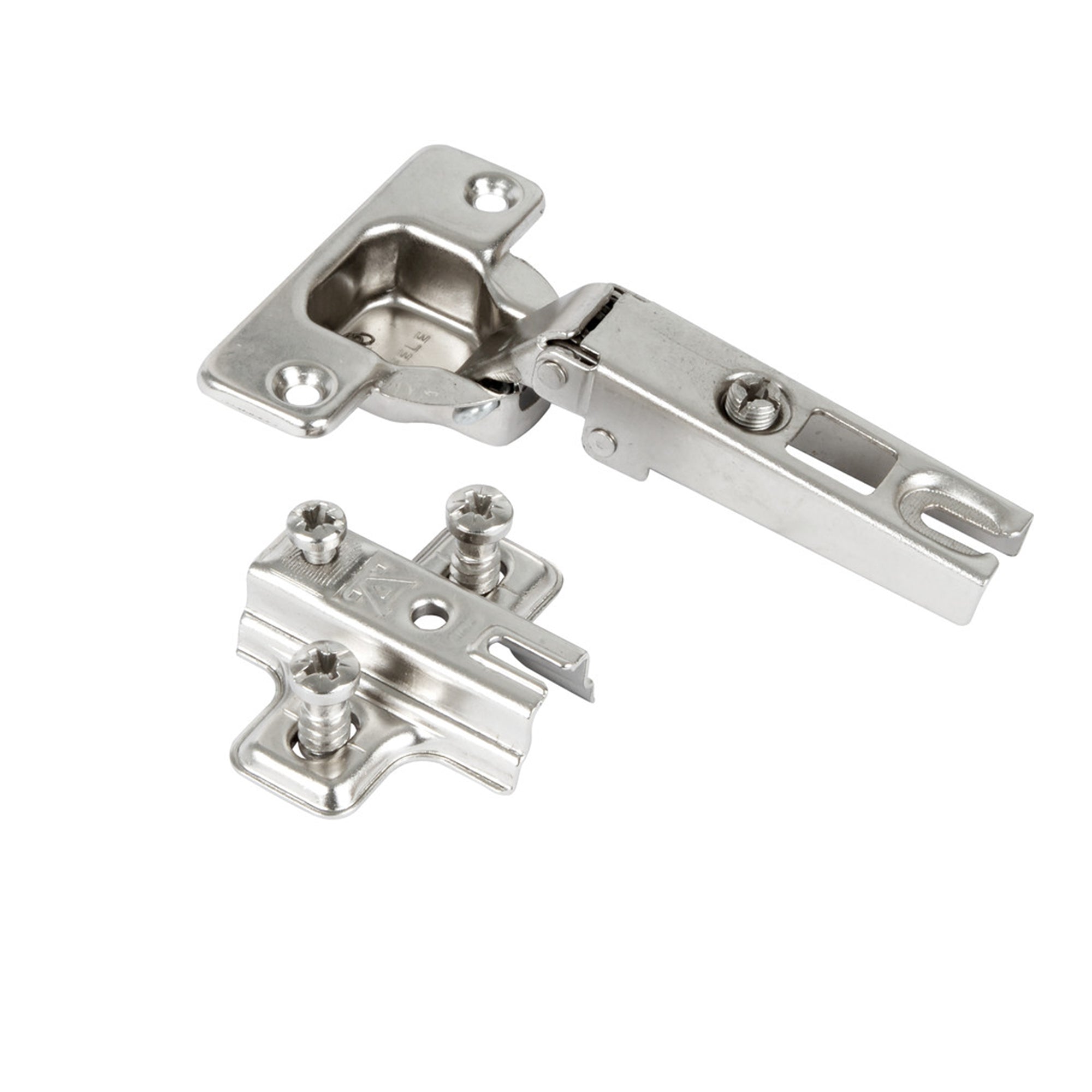
If you are dealing with specialized connections, the Dapetz Adaptor G 3/8-19 to W21.8-14 Premium Hose Swivel Adapter is a perfect solution. It is made from solid brass, features a nickel-plated finish for rust prevention, and has a built-in swivel feature that stops your hose from kinking or twisting while you work.
Tips for a Completely Leak-Free Connection
Once you have the correct fitting in your toolkit, making sure it stays dry takes just a minute of preparation:
Examine the washers: Ensure any internal rubber washers or O-rings are seated flat inside the female end.
Clean the threads: Wipe away any grit, dirt, or old plumbing tape from the existing hose ends before twisting on the new part.
Hand tighten first: Always spin the adapter on by hand to ensure it is threading smoothly. If you feel resistance right away, back off to avoid cross-threading.
Use tape if needed: A quick wrap of PTFE plumbers tape around the male threads can provide extra insurance against micro-gaps.
Frequently Asked Questions
1.Why is my new hose adapter still dripping?
The most common reason is a missing or unseated rubber washer inside the female side of the fitting. Without that compressed seal, water will always find its way through the spiral gaps of the threads.
2.What does the swivel feature on an adapter do?
A swivel adapter allows the main body of the connector to spin freely even when tightened down. This stops the water hose from twisting, coiling, or kinking when you walk around the garden or workspace.
3.Can I use these brass adapters for indoor plumbing?
While they are designed primarily for outdoor hoses, wash systems, and specialized utility lines, high-quality brass fittings can handle standard water pressures perfectly well across various applications.
4.Do I need tools to install a brass hose adapter?
No, precision-engineered brass fittings are designed to be hand-tightened. Over-tightening with a heavy wrench can actually distort the internal rubber washers and cause leaks.