






How to Maintain Your Power Tools for Long Life
Power tools are an investment. Whether you use them occasionally for DIY or more regularly for workshop tasks, the way you care for them makes a huge difference to how long they last. Poor storage, dust buildup and neglect can shorten the life of even the best tools.
The good news is that maintaining your tools does not require specialist skills. With a few simple power tool maintenance tips, you can keep your equipment running smoothly for years.
This guide explains practical ways to maintain your tools, how to clean power tools properly, and some smart tool storage tips UK homeowners should follow. If you already own quality tools from suppliers like Dapetz, a little routine care will ensure they continue performing reliably project after project.
Why Power Tool Maintenance Matters
Many people focus on buying good tools but forget about maintaining them. Even durable equipment needs regular attention.
Proper maintenance helps to:
- Extend the life of your tools
- Maintain cutting accuracy and performance
- Prevent overheating or motor strain
- Reduce repair costs
- Improve safety during use
A good tool care guide is not about complicated servicing. It is about simple habits that protect your investment.
Clean Your Power Tools After Every Use
Dust, wood chips, metal shavings and dirt build up quickly. Over time, this debris can affect performance and even damage internal components.
Learning how to clean power tools properly is one of the most important maintenance habits.
Basic Cleaning Routine
After finishing a project, spend a few minutes cleaning your tools.
- Use a soft brush or compressed air to remove dust from vents
- Wipe surfaces with a dry cloth
- Remove debris around moving parts
- Clean drill bits and blades separately
- Store tools only once they are completely dry
Dust inside air vents can block airflow and cause motors to overheat. A quick clean after each job prevents long-term damage.
Many users who invest in reliable tools from brands like Dapetz find that simple cleaning habits keep their tools performing like new even after years of use.
Check Cables and Power Connections
In the UK, corded power tools are still widely used. Because of that, electrical safety checks should be part of your maintenance routine.
Things to Inspect Regularly
- Look for cuts or wear in power cables
- Ensure plugs are firmly attached
- Check extension leads for damage
- Replace worn cables immediately
Damaged wiring is not only bad for the tool, it is also a safety hazard.
Good maintenance means catching these small issues early.
Keep Moving Parts Lubricated
Certain tools contain moving components that benefit from occasional lubrication.
Tools That Often Need Lubrication
- Drills with metal chucks
- Hedge trimmers
- Chainsaws
- Cutting tools with rotating parts
Applying light machine oil can reduce friction and extend component life.
Simple Lubrication Tips
- Apply a small amount of oil to moving joints
- Wipe away excess oil to prevent dust buildup
- Avoid lubricating electrical components
A well-lubricated tool operates more smoothly and places less strain on the motor.
Store Tools Properly
Storage is often overlooked, yet it plays a major role in tool longevity. Good tool storage tips UK users follow are especially important because of the country’s damp climate.
Moisture can lead to rust and electrical damage.
Smart Tool Storage Practices
- Store tools in a dry indoor location
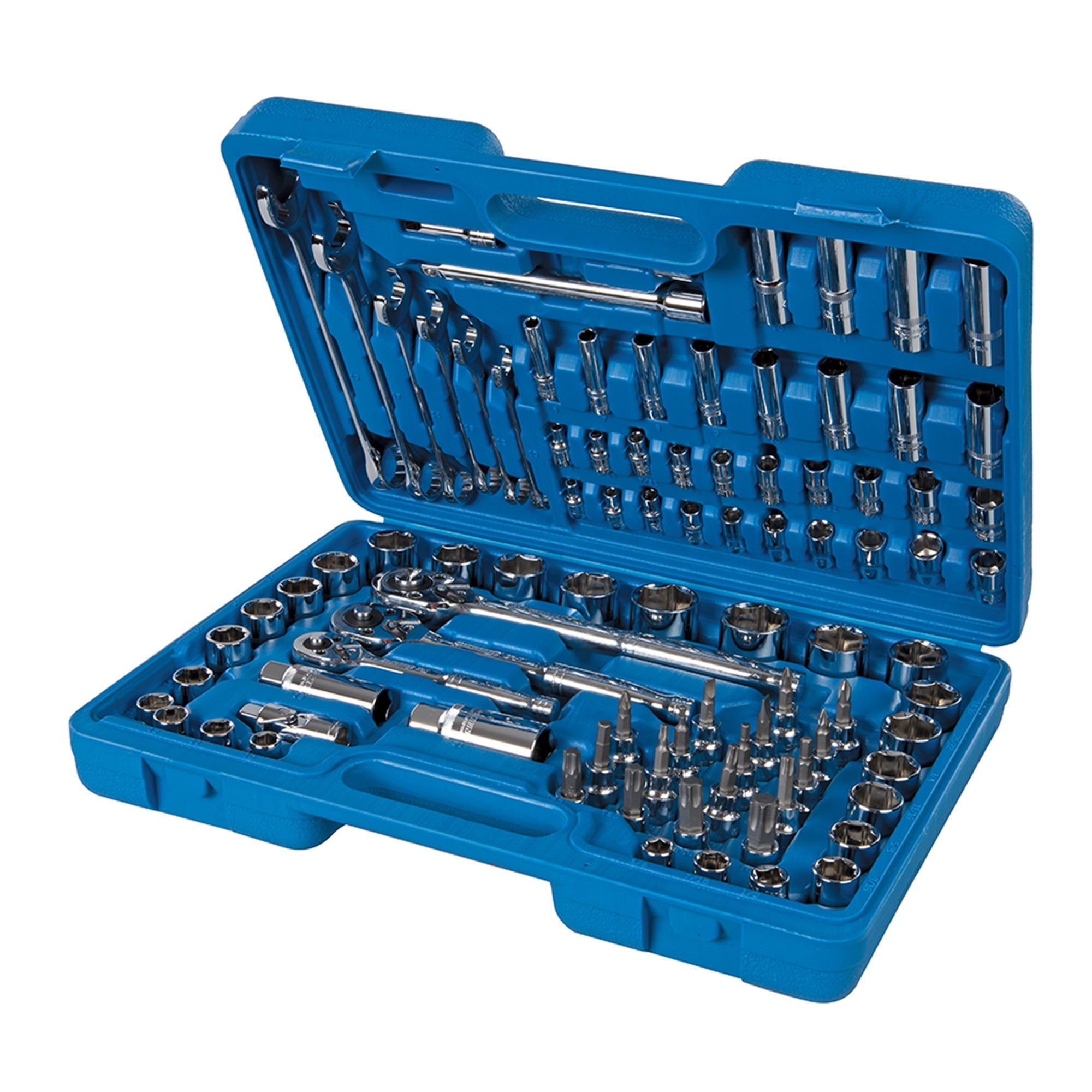
- Use toolboxes or storage cases
- Avoid leaving tools on garage floors
- Keep tools away from direct moisture
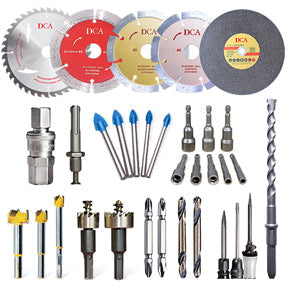
- Organise accessories like drill bits and blades separately
A well-organised storage system also saves time when you need a tool quickly.
Dapetz offers a range of workshop storage options and tool accessories designed to keep tools protected and organised, which is especially useful for homeowners building a reliable DIY workspace.
Keep Blades and Bits Sharp
Blunt blades force tools to work harder. That puts strain on the motor and produces poor results.
Regular sharpening improves performance and safety.
Tools That Need Sharpening
- Drills bits
- Saw blades
- Hedge trimmer blades
- Woodworking tools
Benefits of Sharp Cutting Tools
- Cleaner cuts
- Faster drilling
- Reduced motor strain
- Improved safety
If a tool suddenly feels slower or requires more pressure than usual, the cutting edge may need attention.
Replacing worn accessories with quality replacements from suppliers like Dapetz can restore tool performance quickly.
Protect Tools from Rust
Rust can damage metal components and shorten tool life.
Preventing Rust
- Always dry tools after outdoor use
- Wipe metal surfaces with a light oil coating
- Store tools in dry areas
- Avoid leaving tools exposed in sheds during damp weather
Even a simple cloth wipe after outdoor work can make a big difference.
Charge Batteries Correctly
If you use cordless tools, battery care becomes an important part of your power tool maintenance tips routine.
Battery Maintenance Tips
- Avoid completely draining batteries regularly
- Store batteries in moderate temperatures
- Use the correct charger for the tool
- Remove batteries when tools are not in use for long periods
Proper battery care improves charging efficiency and extends battery lifespan.
Inspect Tools Before Use
A quick inspection before using any power tool can prevent problems.
What to Check
- Loose screws or fittings
- Worn drill bits or blades
- Damaged cables
- Dust buildup near vents
These quick checks take less than a minute but can prevent tool damage and accidents.
Use the Right Tool for the Job
One of the most common causes of tool damage is using a tool beyond its intended purpose.
Examples include:
- Using a drill as a screwdriver for heavy bolts
- Forcing a small saw through thick wood
- Using the wrong drill bit for masonry
Matching the tool to the task protects both the tool and the material you are working on.
Choosing reliable tools designed for everyday use also makes maintenance easier. Many UK DIY enthusiasts prefer buying from Dapetz because their tools are built with practical durability in mind, making them easier to maintain over time.
Create a Simple Maintenance Routine
The best tool care guide is one that is easy to follow.
You do not need a complicated checklist. Just remember these key habits:
- Clean tools after every use
- Store them properly
- Inspect cables and components
- Keep cutting accessories sharp
- Protect metal parts from rust
These small actions take only minutes but significantly extend tool lifespan.
Final Thoughts
Power tools work hard, and with the right care they can last for many years.
Following simple power tool maintenance tips helps maintain performance, reduce repair costs and keep your tools safe to use.
Cleaning tools regularly, understanding how to clean power tools properly and applying smart tool storage tips UK homeowners can follow will make a noticeable difference.
Whether you use your tools for DIY projects, home repairs or garden work, a little maintenance goes a long way.
If you are building or upgrading your toolkit, choosing durable equipment from reliable suppliers like Dapetz gives you a strong starting point. Combine that with good maintenance habits and your tools will stay dependable for years to come.